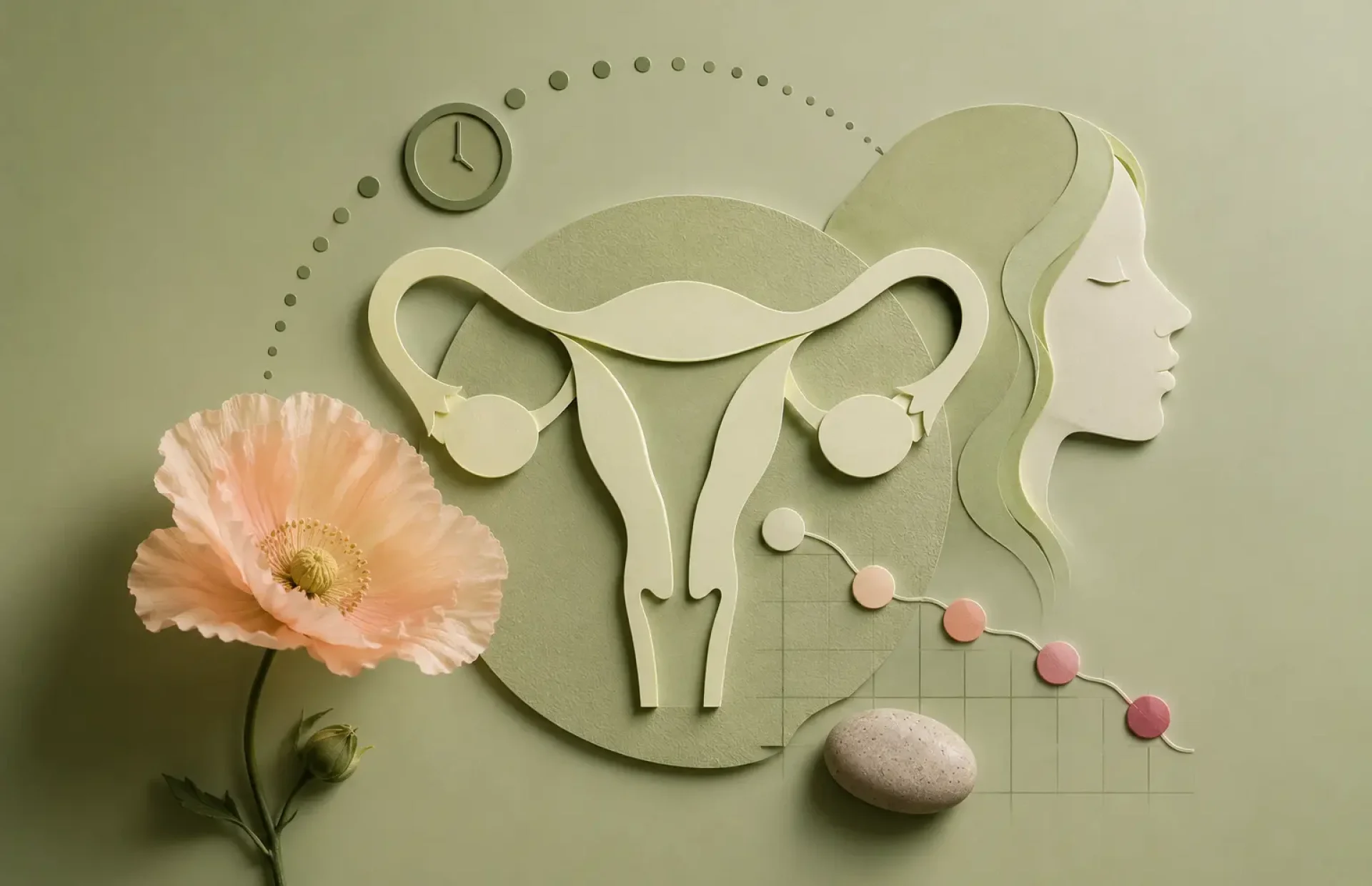
A minimally invasive procedure to reduce menstrual bleeding.
Hysteroscopy is a minimally invasive procedure that allows your gynaecologist to look inside the uterus and investigate or treat certain conditions. It can help identify the cause of abnormal bleeding, pelvic symptoms or other concerns.
During a hysteroscopy, a thin camera is passed through the vagina and cervix into the uterus. This allows your gynaecologist to directly examine the uterine lining and identify any abnormalities.
Depending on what is found, treatment can sometimes be performed during the same procedure, helping avoid the need for a separate operation.
Hysteroscopy is a procedure used to examine the inside of the uterus using a thin, specialised camera called a hysteroscope.
The hysteroscope is gently passed through the vagina and cervix into the uterus. A small amount of fluid may be used to expand the uterus, allowing the lining to be seen clearly.
If needed, small instruments can be passed through the hysteroscope to take a biopsy or treat certain conditions such as polyps or small fibroids.
Hysteroscopy may be recommended to investigate or treat symptoms affecting the uterus.
You may benefit from hysteroscopy if you:
Treatment options depend on the underlying cause of your symptoms and may include medication, monitoring or other surgical procedures.
Hysteroscopy may be considered when symptoms or investigations suggest there may be an issue inside the uterus that needs further assessment or treatment.
Your gynaecologist will consider factors such as:
Your doctor will discuss whether hysteroscopy is appropriate for you and explain the expected benefits, risks and alternatives before proceeding.
During hysteroscopy, your gynaecologist uses a thin camera called a hysteroscope to examine the inside of the uterus.
The hysteroscope is gently passed through the vagina and cervix into the uterus. Fluid may be introduced to help expand the uterine cavity, allowing the lining and any abnormalities to be seen clearly.
If necessary, small surgical instruments can be passed through the hysteroscope to take tissue samples or remove certain abnormalities during the same procedure.
Before recommending hysteroscopy, your gynaecologist will assess your symptoms and any previous examination or imaging results to determine whether the procedure is appropriate for you.
You may need examinations, ultrasound or other investigations depending on your symptoms and medical history.
Your doctor will also discuss:
During the Procedure
The procedure itself is usually relatively short, although the total time at the facility will depend on your preparation, anaesthetic and recovery.
The hysteroscope is carefully introduced through the vagina and cervix into the uterus. Your gynaecologist will examine the uterine lining and may take a biopsy or treat an abnormality if required.
What Can I Expect After Hysteroscopy?
Many people can return home on the same day after recovering from the procedure and any anaesthetic or sedation.
You may experience:
Some bleeding or discharge may continue for several days after the procedure. Your healthcare team will provide specific instructions about pain relief, activity and when you can return to your usual routine.
Recovery varies from person to person, so it’s important to follow the advice provided by your treating team.
Hysteroscopy may:
For many people, hysteroscopy provides useful information that can guide the next stage of treatment.
Important Considerations
Hysteroscopy is generally considered a safe procedure, but it is not suitable for everyone and may not identify every cause of symptoms.
There are also potential risks associated with the procedure, including infection, bleeding, pain, injury to the cervix or uterus and, rarely, complications related to the fluid or anaesthetic used. Your individual risks will depend on your health and circumstances.