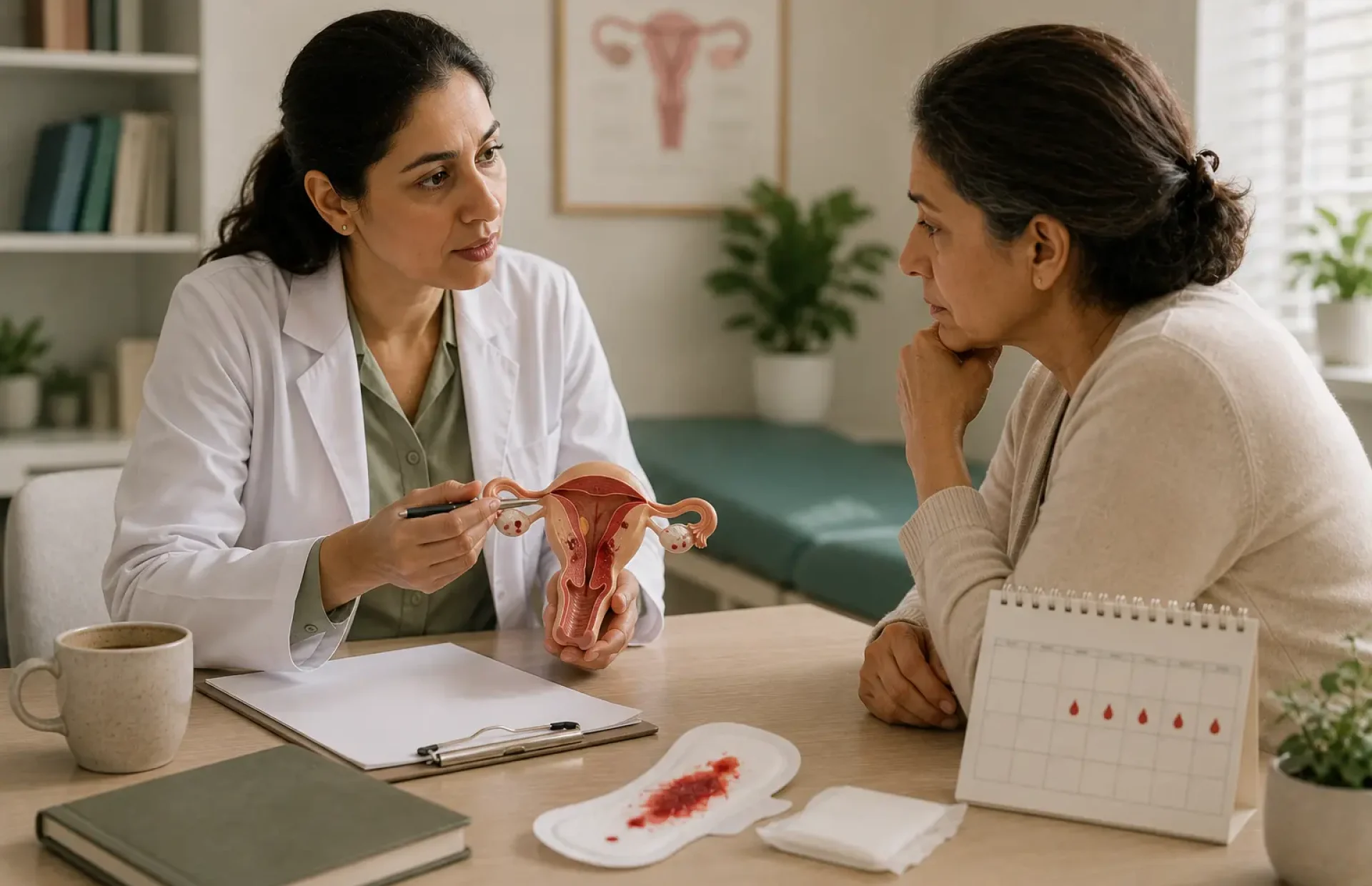
Pelvic pain can be acute or chronic and may originate from the reproductive organs, bladder, bowel, pelvic floor muscles, or nervous system. Because more than one factor can contribute to pain, a thorough, patient-centred assessment is important to understand the cause and develop an appropriate management plan.
What to Expect During Your Consultation
Our specialists take a comprehensive approach to pelvic pain, carefully assessing your symptoms and exploring possible gynaecological and non-gynaecological causes to develop a personalised management plan.
Medical History
We’ll discuss the nature, timing, and triggers of your pain, associated symptoms, and how it affects your daily life.
Pelvic Examination
A general and pelvic examination may be performed to help assess your symptoms and identify possible contributors to your pain.
Pelvic Ultrasound
Pelvic ultrasound is typically the first-line imaging test and can help assess possible gynaecological causes of pelvic pain.
Further Investigations
Depending on your symptoms, additional investigations such as MRI, blood tests, or urine and stool studies may be recommended.
Diagnosis & Laparoscopy
When pain persists or endometriosis is suspected, diagnostic laparoscopy may be recommended to identify and treat endometriosis or adhesions.
Personalised Management
Treatment may include medication, pain management, pelvic floor physiotherapy, psychological support, and surgery when appropriate.
Frequently Asked Questions
Can I have pelvic pain even if my ultrasound is normal?
Yes. Some significant causes of pelvic pain, including early endometriosis and pelvic floor muscle dysfunction, may occur despite normal ultrasound findings.
How long will it take to find the cause of my pain?
This varies depending on the underlying cause. We aim to assess your symptoms efficiently while avoiding unnecessary invasive testing.
Is pelvic pain always caused by a gynaecological condition?
No. Pelvic pain can also involve the bladder, bowel, pelvic floor muscles, or nervous system, which is why a comprehensive assessment is important.
Should I keep a pain diary?
Tracking the timing, severity, triggers, and relieving factors of your pain, along with your cycle and bladder or bowel habits, can provide valuable information for your assessment.
Do you have any more questions?
If you have any questions about the procedure, preparation, or your results, we’re here to help. Contact our team for personalised advice and support.