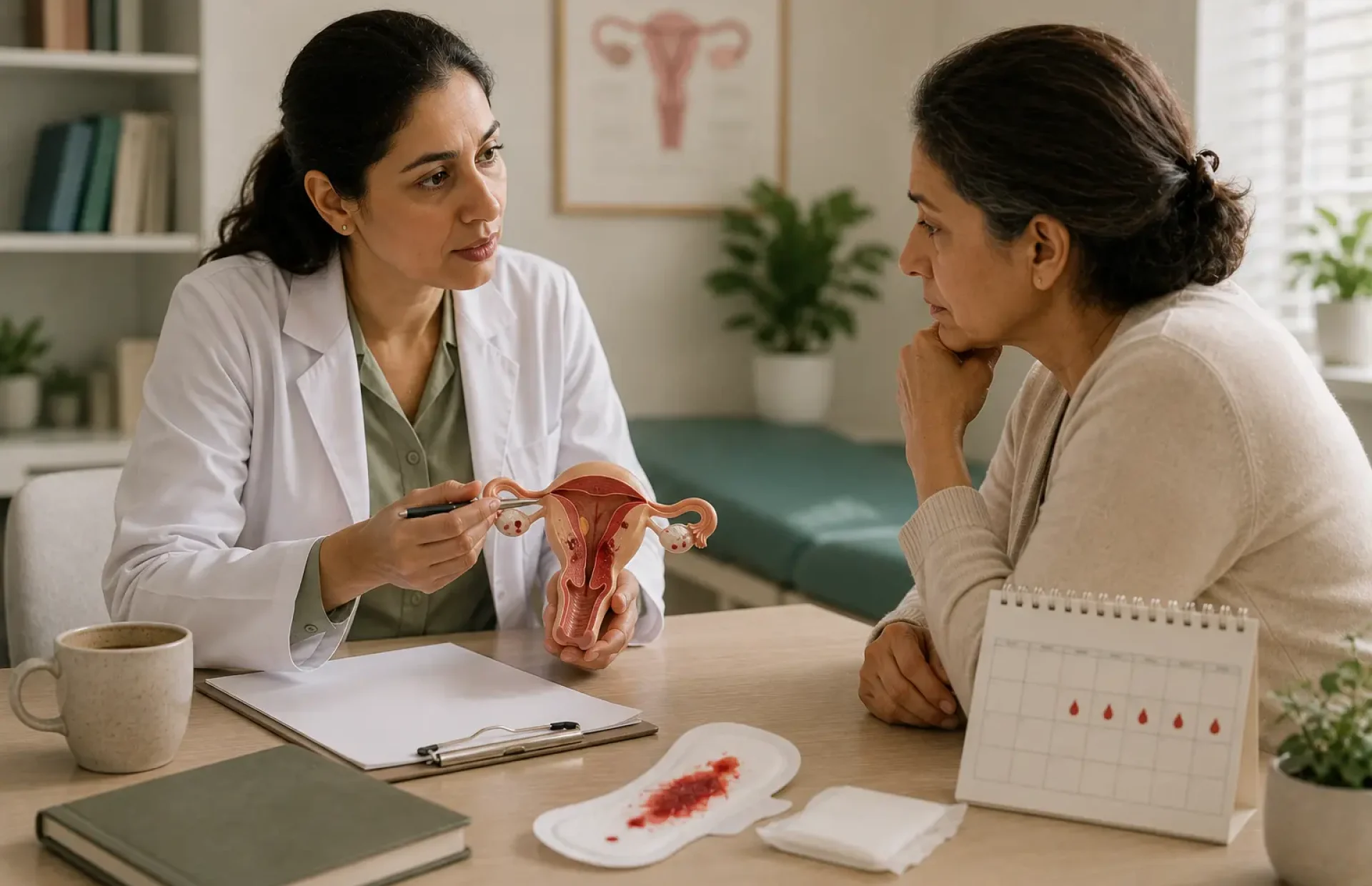
Cervical screening is a preventive test that checks for human papillomavirus (HPV), the virus responsible for almost all cases of cervical cancer. If screening detects HPV with abnormal cervical cells, or if HPV persists over multiple tests, a colposcopy may be recommended. Colposcopy is a more detailed examination that uses magnification to closely inspect the cervix and, when needed, take a small biopsy for further assessment.
What to Expect During your Procedure
Our specialists provide clear, supportive care throughout screening and colposcopy, from your initial test through to results and follow-up.
Cervical Screening
A speculum is gently inserted to view the cervix, and a small soft brush is used to collect a sample for HPV testing.
Understanding Your Results
If HPV is detected, the same sample may be checked for abnormal cervical cells. A positive HPV result does not mean cancer, but may need further assessment.
Colposcopy Assessment
If screening identifies HPV with abnormal cervical cells or persistent HPV, a colposcopy may be recommended to examine the cervix more closely.
Detailed Examination
During colposcopy, a magnifying instrument is used to inspect the cervix. Special solutions help highlight areas that may contain abnormal cells.
Biopsy When Needed
If a suspicious area is identified, a small biopsy may be taken and sent to a laboratory for further analysis.
Results & Follow-Up
Once your results are ready, we’ll explain them and recommend the next step, whether that’s routine screening, monitoring, or treatment.
Frequently Asked Questions
Does a positive HPV result mean I have cancer?
No. A positive HPV result means further assessment may be needed to check whether any cervical cell changes are present.
Why might I need a colposcopy?
Colposcopy may be recommended following abnormal screening results, persistent HPV, unexplained bleeding after intercourse, or previous cervical abnormalities.
How long does a colposcopy take?
The procedure typically takes around fifteen to twenty minutes.
Will a cervical biopsy affect my fertility?
Colposcopy itself does not affect fertility. If treatment such as LLETZ is required, there is only a small effect on future pregnancy risk when performed appropriately.
Do you have any more questions?
If you have any questions about the procedure, preparation, or your results, we’re here to help. Contact our team for personalised advice and support.