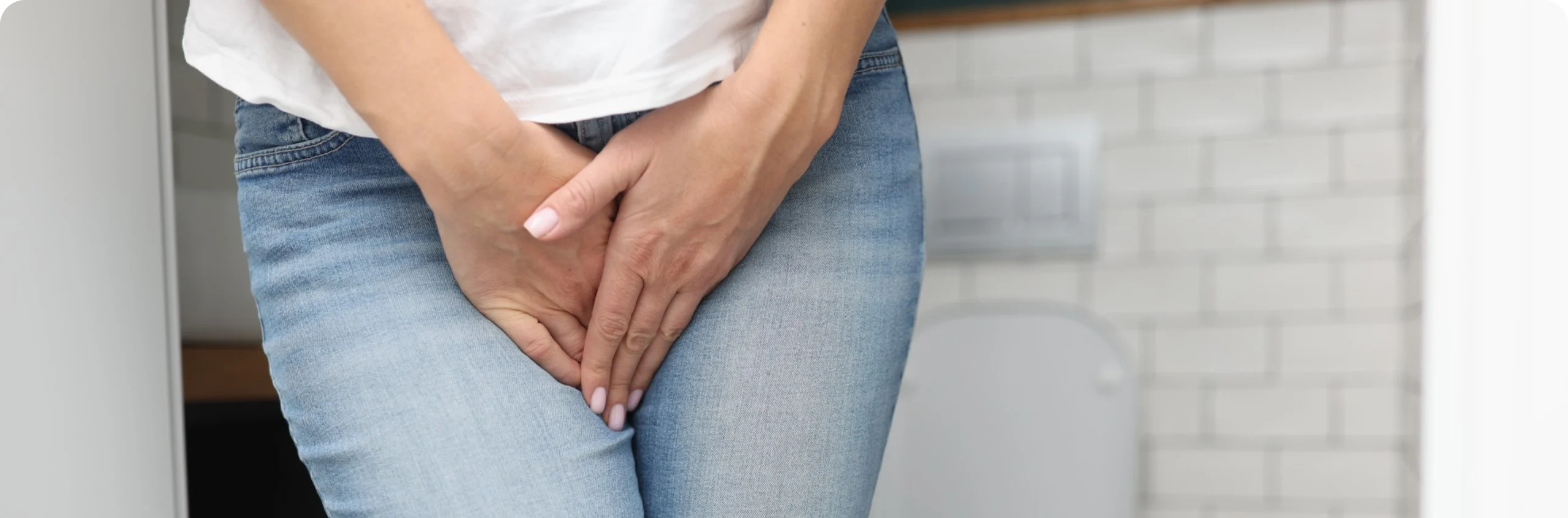
Urinary incontinence is the unintentional leakage of urine and can significantly affect comfort, confidence, and everyday life. It may occur with activities such as coughing, sneezing, laughing, or exercise, or as a sudden urge to urinate that is difficult to control. Many women experience a combination of both types. Effective treatments are available, and early assessment can help identify the right approach for you.
What to Expect During your Procedure
Our specialists will assess your symptoms and their impact on daily life to understand the type of pelvic floor disorder and develop a personalised treatment plan.
Symptom Assessment
We’ll discuss your symptoms, triggers, bladder and bowel habits, and how they are affecting your daily life.
Pelvic Floor Examination
An examination can assess pelvic floor strength and identify any signs of pelvic organ prolapse.
Bladder Diary
You may be asked to keep a bladder diary recording fluid intake and urination patterns over several days to help identify patterns.
Further Assessment
Where needed, urodynamic testing may be recommended to assess bladder function and clarify the type of urinary incontinence.
Non-Surgical Treatment
Pelvic floor physiotherapy is often the first-line treatment. Lifestyle changes, bladder training, medication, and vaginal pessaries may also help.
Surgical Options
If conservative treatments aren’t enough, surgical options may be considered for stress incontinence or prolapse.
Frequently Asked Questions
What causes urinary incontinence?
Urinary incontinence can occur when the pelvic floor is weakened or when the bladder becomes overactive. Pregnancy, vaginal childbirth, chronic straining or coughing, heavy lifting, and reduced oestrogen after menopause can contribute.
What is the difference between stress and urge incontinence?
Stress incontinence causes leakage during activities such as coughing, sneezing, laughing, or exercise. Urge incontinence involves a sudden, strong need to urinate that can be difficult to defer.
Is surgery the only solution?
No. Many women improve significantly with pelvic floor physiotherapy and other conservative treatments. Surgery is generally considered when these approaches do not provide enough relief.
Will pelvic floor problems get worse with age?
Not necessarily. While age-related changes can contribute to symptoms, appropriate treatment at any stage can meaningfully improve symptoms and help prevent further progression.
Do you have any more questions?
If you have any questions about the procedure, preparation, or your results, we’re here to help. Contact our team for personalised advice and support.