Sexually transmitted infections can cause a range of symptoms, although many infections may have few or no symptoms at all. Regular testing can help identify infections early, particularly for people who are sexually active with new or multiple partners.
What to Expect During your Procedure
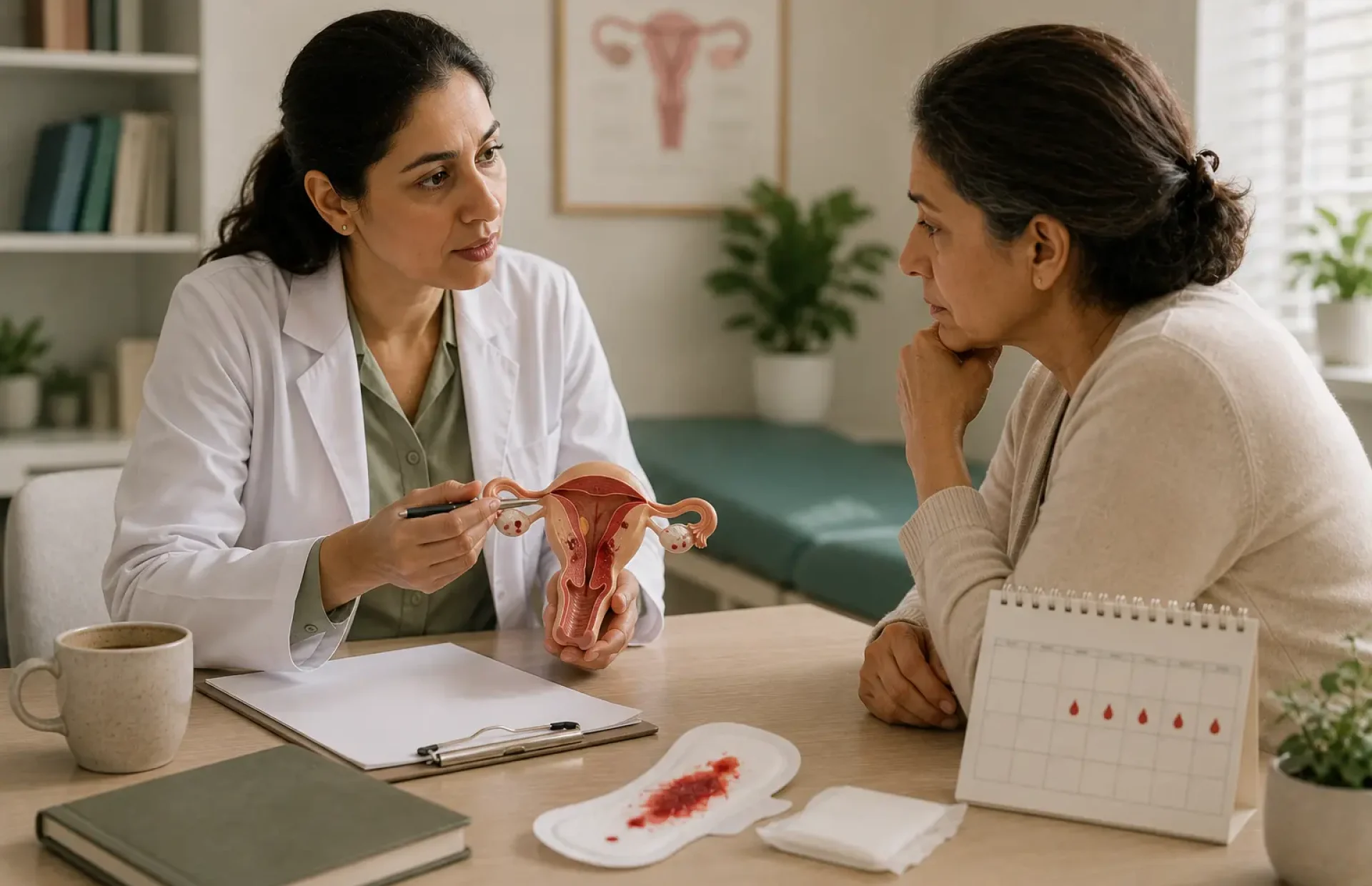
Your consultation is confidential and non-judgemental. We’ll discuss your symptoms, sexual history, and relevant risk factors to determine which tests are appropriate for you.
Confidential Consultation
We’ll discuss your symptoms, sexual history, and relevant risk factors in a confidential and non-judgemental setting.
Appropriate Testing
Depending on your situation, testing may involve a vaginal swab, self-collected vaginal swab, urine sample, or blood test.
Laboratory Testing
Your samples are sent to an accredited laboratory for testing, with most results available within two to five days.
Results & Diagnosis
We’ll contact you directly to discuss your results, whether they are clear or require further treatment.
Personalised Treatment
If treatment is needed, we’ll explain the medication, how to take it, and when it is safe to resume sexual activity.
Partner Care & Follow-Up
For certain infections, current sexual partners may also need testing and treatment. We can provide guidance and confidential support with partner notification.
Frequently Asked Questions
Do I need an STI test if I have no symptoms?
Yes. Many STIs, particularly chlamydia and gonorrhoea, can cause few or no symptoms. Testing based on risk factors and sexual history can therefore be important even when you feel well.
When should I get tested?
Testing may be recommended after a new sexual partner or unprotected intercourse, if a partner has been diagnosed with an STI, or as part of routine sexual health care.
What does STI testing involve?
Depending on your circumstances, testing may involve a vaginal swab, self-collected swab, urine sample, or blood test. A speculum examination is not always necessary.
What happens if my test is positive?
If treatment is needed, we’ll explain your medication and provide guidance on treatment, follow-up, and when it is safe to resume sexual activity.
Do you have any more questions?
If you have any questions about the procedure, preparation, or your results, we’re here to help. Contact our team for personalised advice and support.