
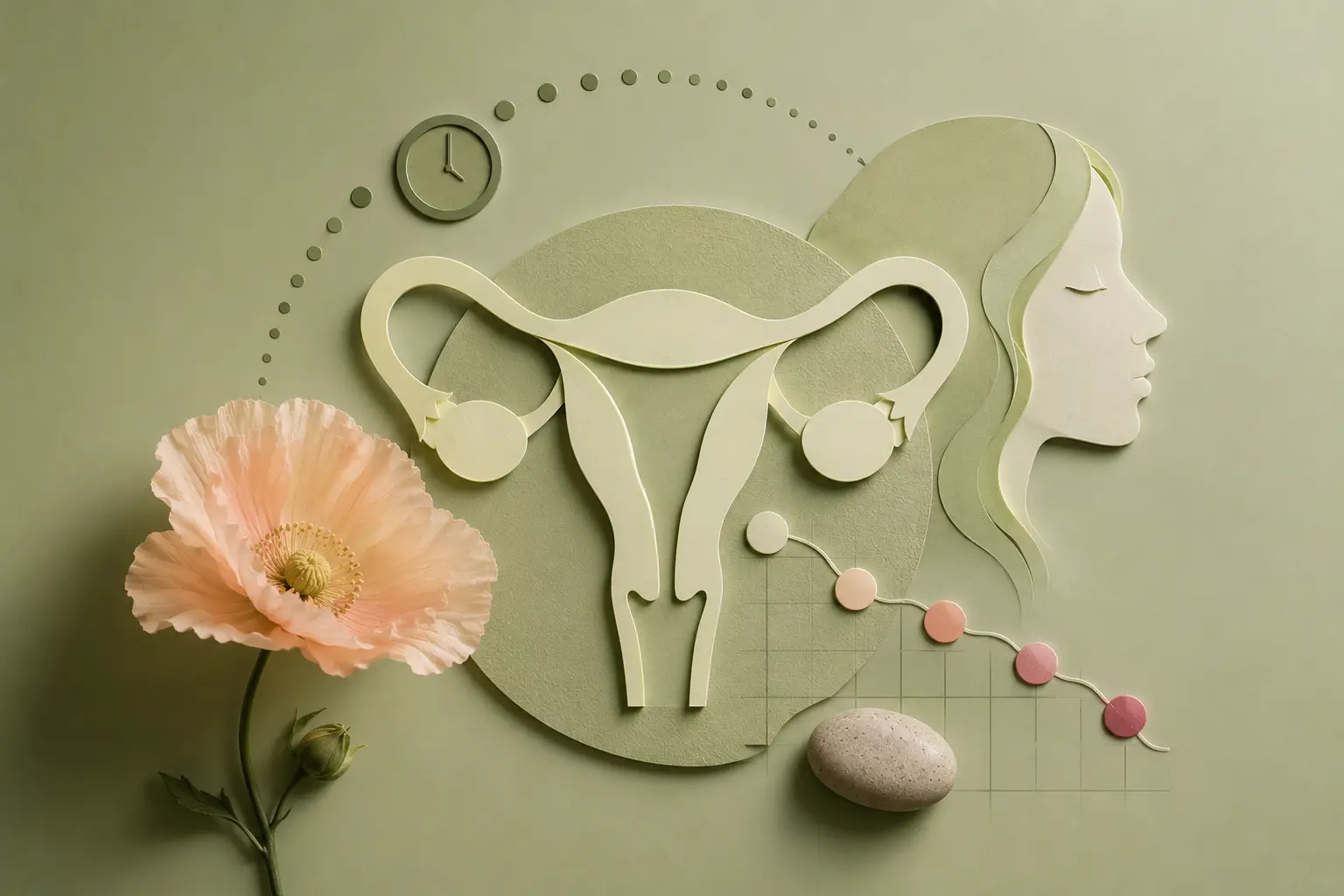
Somewhere in your 40s, things start feeling different: periods that used to run like clockwork suddenly don’t, sleep gets harder to hold onto, and moods swing in ways that catch you off guard. If that sounds familiar, you might be in perimenopause, the transition your body goes through in the years leading up to menopause itself. No two women experience it the same way. Some sail through with barely a symptom, while others find it genuinely disrupts sleep, work, relationships and day-to-day quality of life. Here are ten changes worth recognising for what they are.
What Is Perimenopause, Exactly?
During this transition, your ovaries produce hormones less predictably than before, and as a result, your menstrual cycle typically starts shifting too. It’s a gradual recalibration rather than a sudden switch, which is part of why it can be tricky to pin down at first.
1. Your Periods Start Changing
Cycles might get shorter, longer, heavier, lighter, or simply harder to predict. This kind of change is common during perimenopause, but it’s not a free pass to assume every bleeding change is hormonal, anything unusual still deserves a proper look.
2. Hot Flushes
That sudden wave of heat washing over your face, neck and body is one of the most recognisable perimenopause signs there is.
3. Night Sweats
The nighttime version of hot flushes, night sweats can wreck a good night’s sleep and leave you dragging the next day.
4. Trouble Sleeping
Falling asleep, staying asleep, or drifting back off after waking up in the night can all become noticeably harder during this stage.
5. Mood Shifts
Irritability, anxiety, or mood swings that seem to come from nowhere can show up too. It’s worth looking at these alongside your overall physical and mental wellbeing rather than pinning every mood change purely on hormones.
6. Trouble Concentrating
Some women describe a kind of mental fog, difficulty focusing, or memory lapses that feel out of character, often nicknamed “brain fog.”
7. Vaginal Dryness
As oestrogen levels drop, vaginal and vulval tissue can become drier, more irritated, or uncomfortable than you’re used to.
8. Discomfort During Sex
That same tissue change can make intercourse uncomfortable, but it’s worth knowing this isn’t something you just have to accept; there are effective treatments available.
9. Shifting Libido
Sexual desire can rise, fall, or fluctuate during perimenopause for a whole mix of reasons, hormones, sleep quality, relationship dynamics, medications, and general health can all play a part.
10. Bladder Changes
Urinary urgency, more frequent urinary symptoms, or general discomfort can develop as the tissues around the bladder and urethra respond to these same hormonal shifts.
How Is Perimenopause Actually Diagnosed?
For most women over 45 with recognisable symptoms and menstrual changes, diagnosis comes down to clinical judgement rather than a lab test. That’s because hormone levels swing so much during this stage that a single blood test often won’t give a clear answer either way. That said, testing can still be useful in certain situations, particularly for younger women or when another condition needs to be ruled out.
Does Everyone Need HRT?
Not at all. What’s right for you depends on the type and severity of your symptoms, your medical history, personal preference, and how the individual benefits and risks stack up. Options span everything from lifestyle changes through to menopausal hormone therapy and non-hormonal treatments.
What Does Menopausal Hormone Therapy Actually Do?
Menopausal hormone therapy, more commonly known as HRT, can be genuinely effective for vasomotor symptoms like hot flushes and night sweats. Which preparation makes sense depends on things like whether you still have a uterus, your medical history, and your individual risk profile. It’s not the right fit for every woman, so this is very much a personalised decision, not a one-size-fits-all prescription.
Bleeding Changes You Shouldn’t Brush Off
Irregular periods are par for the course during perimenopause, but certain patterns still warrant a proper assessment: very heavy bleeding, bleeding between periods, bleeding after sex, a marked shift from what’s normal for you, or any bleeding after menopause has actually occurred. Fibroids, polyps, adenomyosis, and endometrial abnormalities are among the things worth ruling out in these cases.
Frequently Asked Questions
It varies quite a bit from woman to woman, but it commonly kicks off sometime during the 40s.
Yes, and this catches a lot of women off guard. Ovulation gets less predictable, but pregnancy remains genuinely possible right up until menopause is confirmed.
Usually not, if you’re over 45 with typical symptoms. Testing tends to matter more in specific circumstances outside that.
That depends entirely on the individual, the type of treatment, how it’s administered, and your medical history. It’s a conversation to have directly with a qualified clinician rather than a blanket yes or no.
When to Make an Appointment
If perimenopausal symptoms are chipping away at your sleep, work, relationships or overall quality of life, getting assessed can open up treatment options you might not know exist. And any bleeding that feels unexpected or concerning deserves its own separate look, rather than being written off as just another part of menopause.