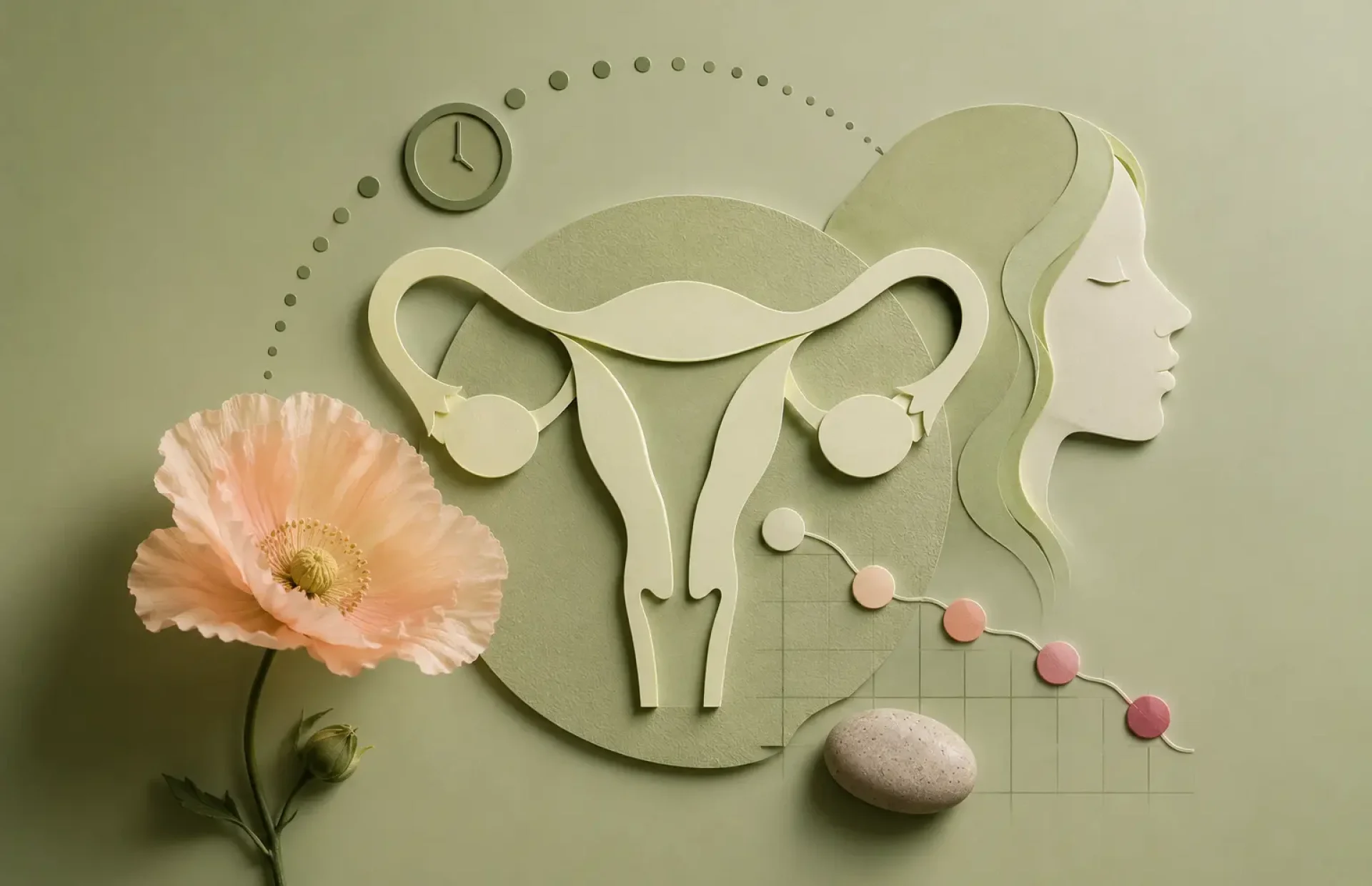
Menstrual disorders occur when periods fall outside the typical range in terms of frequency, duration, heaviness, or pain, or when the physical and emotional symptoms surrounding menstruation become difficult to manage. These conditions are common and can significantly affect daily life, but effective treatments are available.
What to Expect During your Procedure
Our specialists will assess your symptoms, menstrual cycle, and overall health to understand the underlying cause and recommend a treatment approach tailored to your needs and goals.
Medical History
We’ll discuss your menstrual cycle, symptoms, medical history, and how your periods are affecting your daily life.
Physical Examination
A general and pelvic examination may be performed to better understand your symptoms and identify possible causes.
Blood Tests
Blood tests may assess hormone levels, thyroid function, iron stores, and clotting factors where appropriate.
Ultrasound & Diagnostic Tests
A pelvic ultrasound may be recommended to check for fibroids, polyps, ovarian cysts, or changes in the uterine lining.
Personalised Treatment
Treatment is tailored to your specific disorder, its cause, and your personal goals, including whether you are planning to conceive.
Ongoing Care
Follow-up care helps monitor your symptoms and treatment progress, with adjustments made when needed.
Frequently Asked Questions
Are heavy periods normal?
Heavy periods are not something you simply have to live with, especially if they affect your daily activities or quality of life. They may have an underlying cause that can be assessed and treated.
What causes menstrual disorders?
Menstrual disorders can have several causes, including hormonal changes, fibroids, polyps, adenomyosis, endometriosis, and other gynaecological conditions.
Will a menstrual disorder affect my fertility?
Some menstrual disorders may affect fertility depending on the underlying cause. However, many conditions can be effectively managed, and treatment can be tailored to your fertility goals.
What treatments are available for menstrual disorders?
Treatment depends on the cause and severity of your symptoms. Options may include medication, hormonal treatment, lifestyle support, or procedures and surgery where appropriate.
Do you have any more questions?
If you have any questions about the procedure, preparation, or your results, we’re here to help. Contact our team for personalised advice and support.