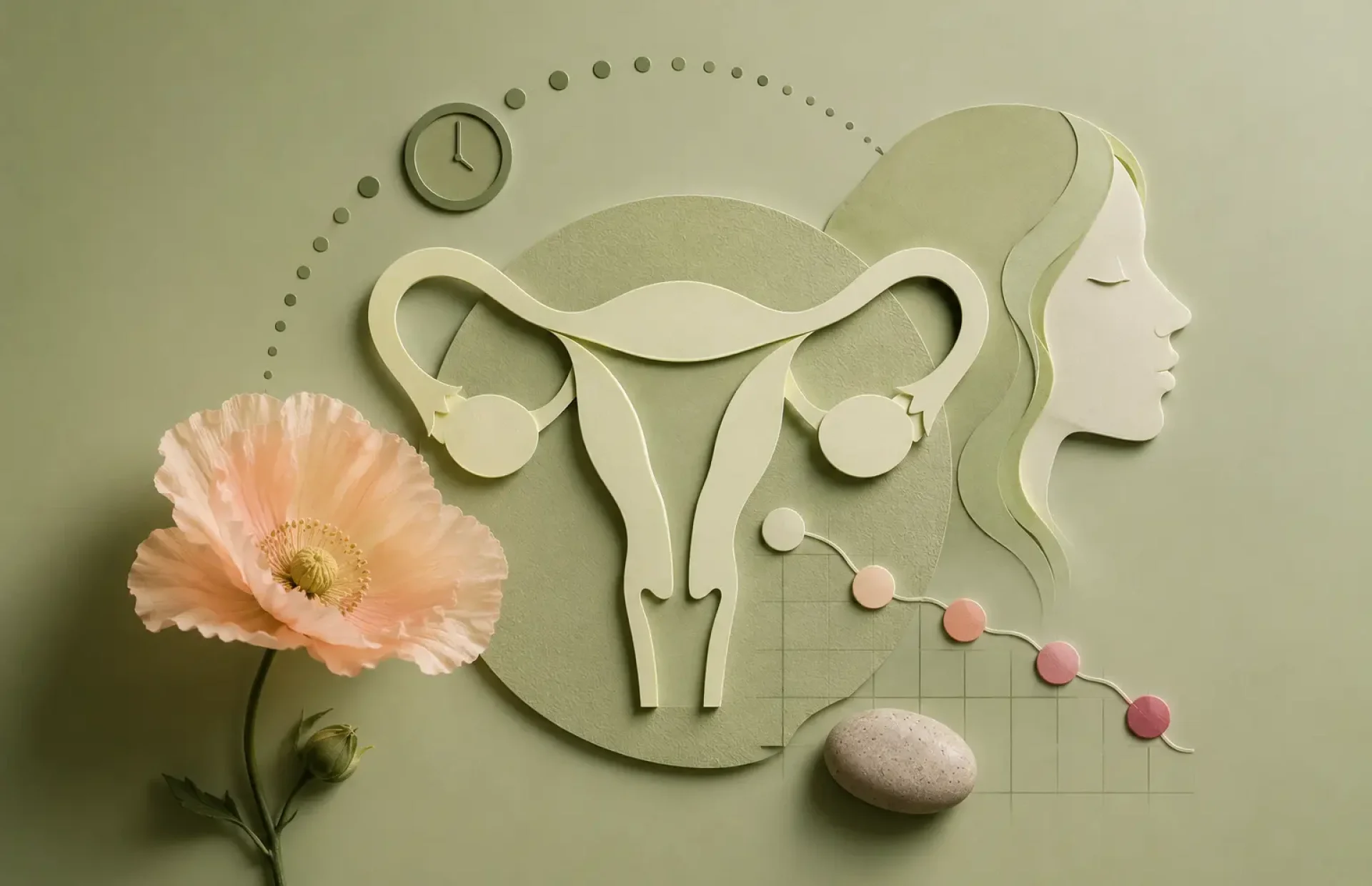
A minimally invasive procedure to reduce menstrual bleeding.
Heavy menstrual bleeding can affect your comfort, energy and ability to enjoy everyday activities. When medication or other treatments haven’t provided enough relief, endometrial ablation may be an option.
Endometrial ablation is a minimally invasive procedure that treats the lining of the uterus (endometrium) to reduce menstrual bleeding. The goal is to make periods lighter and, for some people, periods may stop altogether.
Your gynaecologist will assess your symptoms, medical history and individual circumstances to determine whether endometrial ablation is appropriate for you.
Endometrial ablation is a procedure that treats the inner lining of the uterus — the endometrium — which is responsible for much of the menstrual bleeding each month.
Different techniques can be used to treat the lining, including heat or radiofrequency energy. The specific technique used will depend on your individual circumstances and the approach recommended by your gynaecologist.
The procedure is designed to reduce menstrual blood loss rather than remove the uterus.
Endometrial ablation is most commonly considered for people experiencing heavy menstrual bleeding that is affecting their quality of life.
You may experience heavy periods if you:
Treatment options depend on the underlying cause of the bleeding and may include medication, hormonal treatments or other surgical procedures.
Endometrial ablation may be considered when heavy menstrual bleeding continues despite other treatments or when other treatment options aren’t suitable.
Important: Endometrial ablation is generally not suitable for someone who wants to become pregnant in the future. Pregnancy can still occur after the procedure and can carry significant risks, so appropriate contraception is important.
During endometrial ablation, your gynaecologist uses a specialised device to treat the lining of the uterus.
Depending on the technique used, energy such as radiofrequency or heat is delivered to the endometrium. This reduces the amount of lining available to shed during your menstrual cycle, which can significantly reduce menstrual bleeding.
The procedure is usually performed as a day procedure, meaning you can generally return home the same day.
Before recommending endometrial ablation, your gynaecologist will assess the cause of your bleeding and determine whether the procedure is appropriate for you.
You may need examinations, imaging or other investigations depending on your symptoms and medical history.
Your doctor will also discuss:
During the Procedure
The procedure itself is relatively short, although the total time at the facility will depend on your preparation, anaesthetic and recovery.
A specialised device is introduced through the vagina and cervix into the uterus. The endometrial lining is then treated using the selected ablation technique.
What Can I Expect After Endometrial Ablation?
Most people can return home on the day of the procedure.
Some bleeding or discharge can continue for several weeks while the uterus heals. Your healthcare team will provide specific instructions about pain relief, activity and when you can return to your usual routine.
Recovery varies from person to person, so it’s important to follow the advice provided by your treating team.
Endometrial ablation may:
For some people, menstrual periods may stop completely, although this is not guaranteed.
Important Considerations
Endometrial ablation is not a treatment for everyone and does not guarantee that periods will stop.
There are also potential risks associated with the procedure, including infection, bleeding, injury to the uterus and the possibility of continued or recurring bleeding requiring further treatment. Your individual risks will depend on your health and circumstances.